Introduction to Mobile Marketing
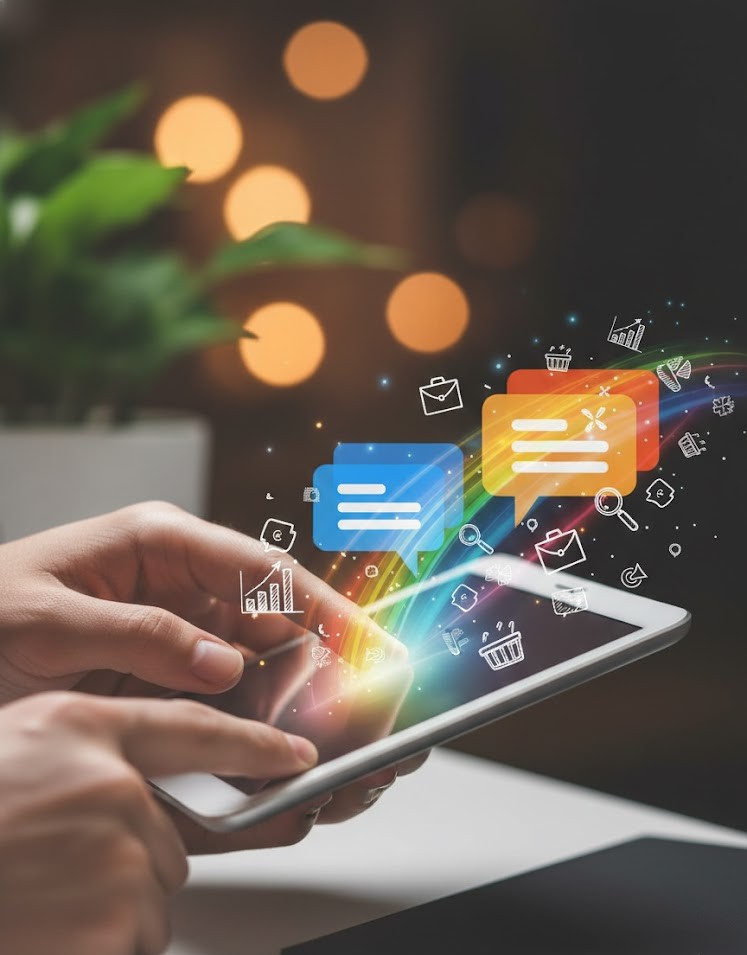
Mobile marketing is a digital marketing strategy that focuses on promoting products and services through mobile devices such as smartphones and tablets. With the rapid growth of mobile technology, people now spend a significant amount of time on their mobile phones for communication, shopping, entertainment, education, and social networking. This has made mobile marketing one of the most powerful tools in modern digital marketing.
Mobile marketing allows businesses to reach customers anytime and anywhere. It includes various techniques such as SMS marketing, mobile applications, push notifications, mobile-friendly websites, and location-based promotions. One of the main strengths of mobile marketing is personalization. Marketers can deliver customized content based on user behavior, preferences, and location.
Compared to traditional marketing methods, mobile marketing is cost-effective and measurable. Businesses can track user engagement, clicks, conversions, and responses in real time. As mobile usage continues to grow, mobile marketing has become an essential part of every digital marketing strategy.
- High reach and accessibility
- Real-time communication
- Cost-effective promotion
- Personalized marketing messages
SMS Marketing
SMS marketing is one of the most widely used mobile marketing techniques. It involves sending promotional or informational text messages directly to users’ mobile phones. These messages may include offers, discounts, alerts, reminders, and updates. SMS marketing does not require an internet connection, which makes it accessible to a wide audience.
One of the biggest advantages of SMS marketing is its high open rate. Most users read SMS messages within minutes of receiving them. This makes SMS marketing ideal for time-sensitive promotions such as flash sales or emergency notifications. However, businesses must always get user permission before sending SMS messages.
Effective SMS marketing messages are short, clear, and actionable. They should include a strong call-to-action such as visiting a website, replying to a message, or redeeming an offer. When used responsibly, SMS marketing helps build trust and long-term customer relationships.
- High open and response rates
- No internet required
- Instant delivery
- Permission-based communication

Mobile App Marketing
Mobile app marketing focuses on promoting a brand through mobile applications. Businesses develop apps to provide better user experience, faster services, and personalized content. Popular examples include shopping apps, banking apps, food delivery apps, and learning platforms.
App marketing starts with app store optimization (ASO), which helps improve app visibility in app stores. Once users download the app, marketers focus on engagement and retention through features such as push notifications, loyalty programs, and in-app offers.
Mobile apps allow businesses to collect valuable user data, which helps in delivering personalized experiences. A well-designed mobile app increases customer loyalty and strengthens brand presence in the digital market.
- Improves brand visibility
- Enhances customer engagement
- Supports personalized marketing
- Increases customer retention
Push Notifications
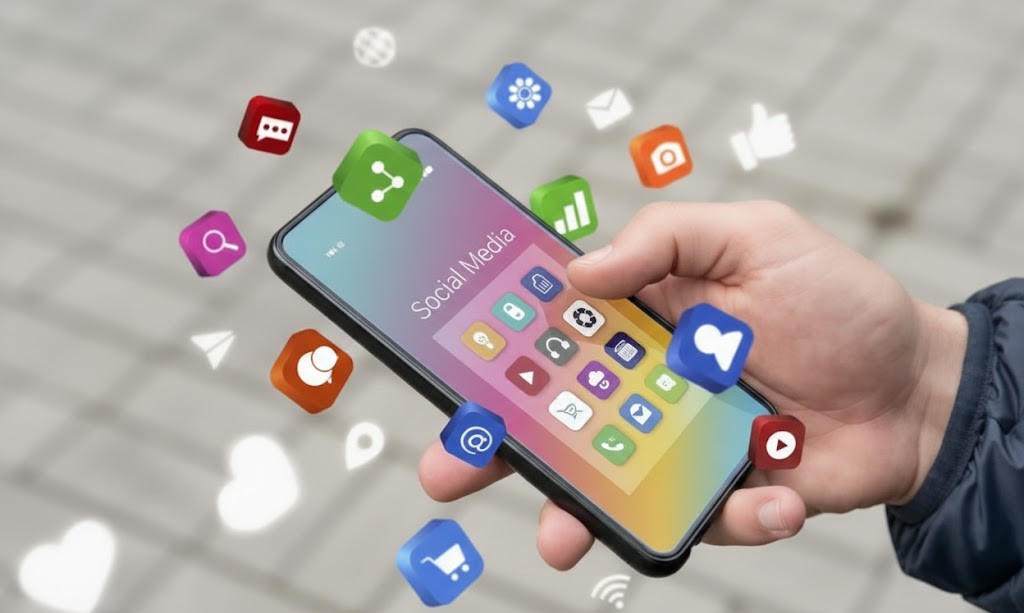
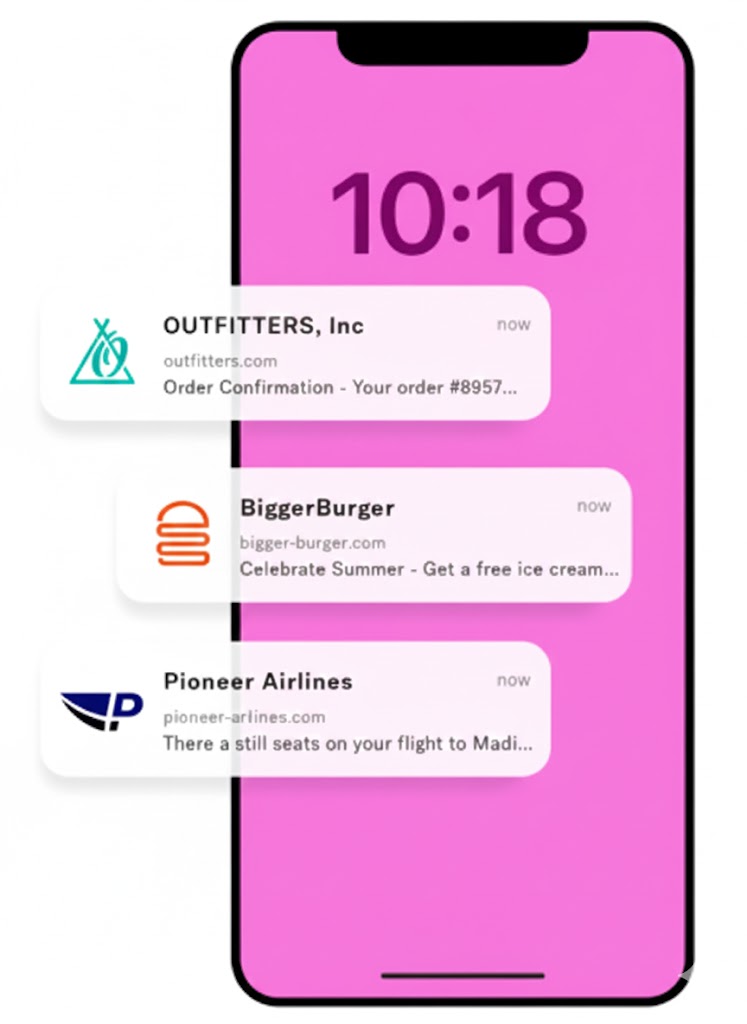
Push notifications are short messages sent by mobile apps to users’ devices even when the app is not in use. These notifications appear on the screen and are used to send updates, offers, reminders, and alerts. Push notifications are highly effective for increasing user engagement.
Personalization plays an important role in push notification marketing. Messages should be relevant and timely. Sending too many notifications can annoy users, so businesses must use this tool carefully.
When used correctly, push notifications help bring users back to the app and increase conversion rates. They are an important part of mobile app marketing strategies.
- Instant communication
- High visibility
- Supports rich media
- Improves app engagement
Location-Based Mobile Marketing
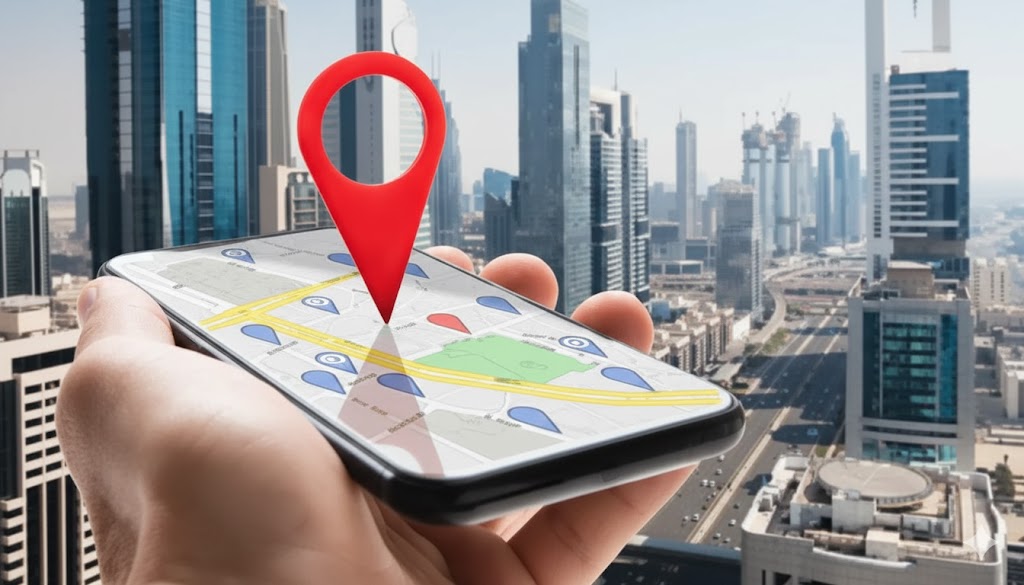
Location-based mobile marketing targets users based on their geographic location. It uses technologies such as GPS, Wi-Fi, and Bluetooth to send relevant messages and offers to users who are near a specific location. This method is especially useful for local businesses.
Geofencing is a common technique used in location-based marketing. It creates a virtual boundary around a location, and users receive notifications when they enter or exit that area. This helps businesses attract nearby customers and increase foot traffic.
Location-based marketing improves customer experience by providing relevant and timely information. However, businesses must respect user privacy and obtain consent before using location data.
- Targets nearby customers
- Increases local sales
- Provides relevant offers
- Enhances customer experience